MEETINGS WITH EXPERTS
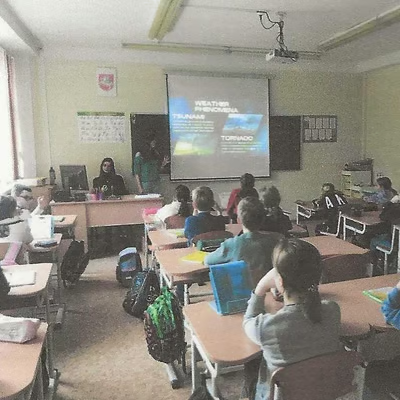
AN EXPERT IN THE LITUANIAN SCHOOL
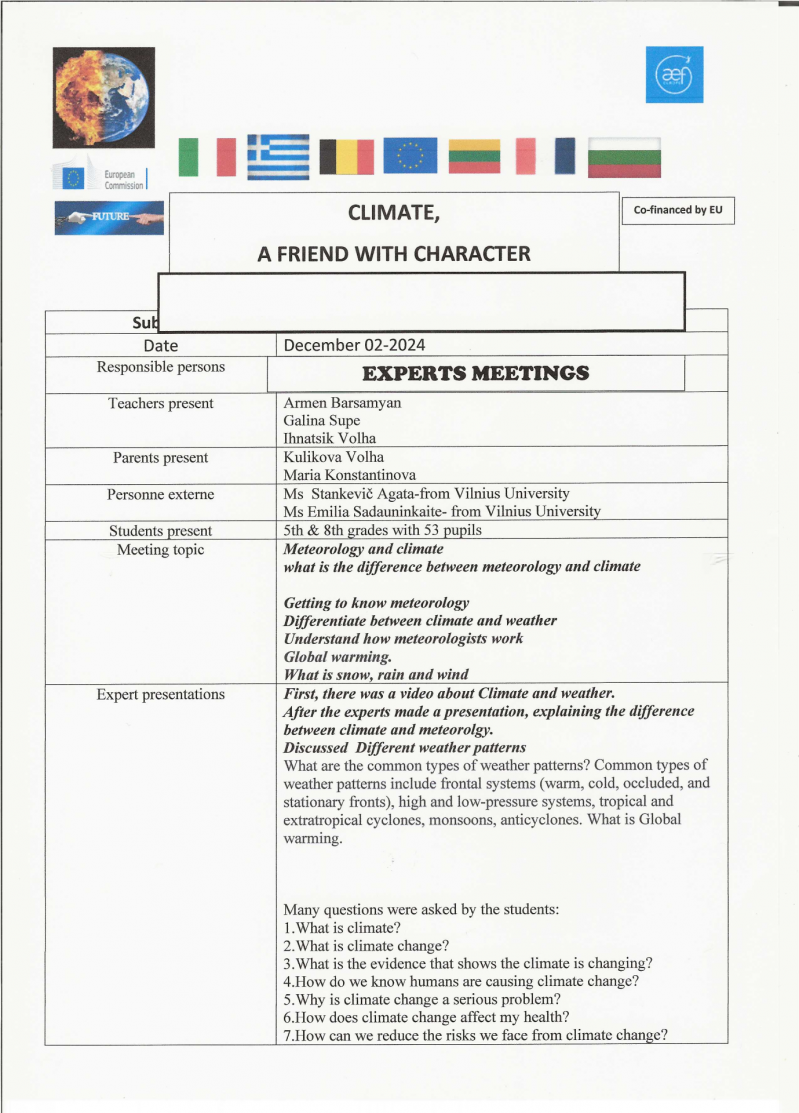
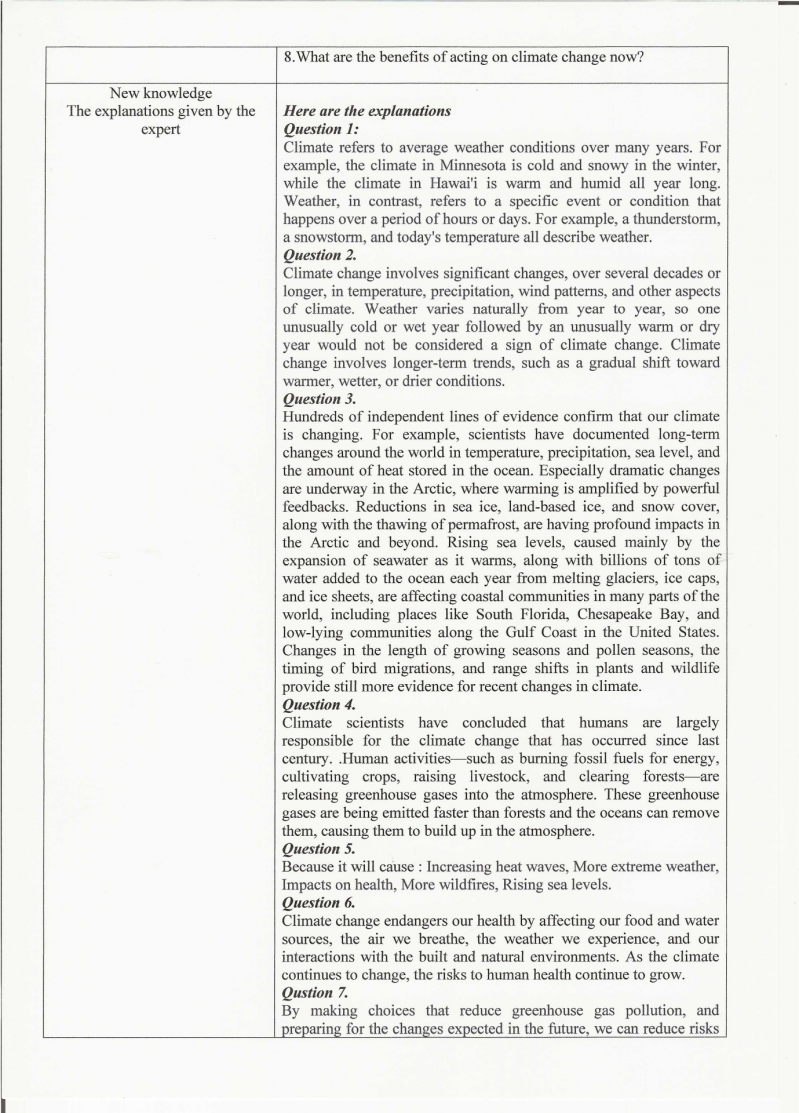
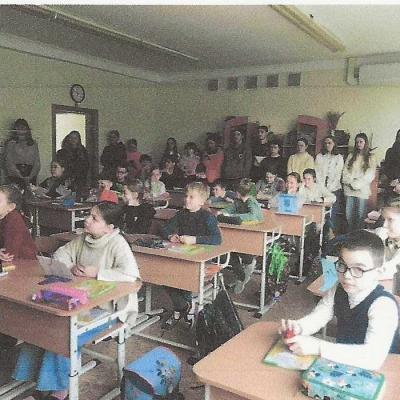
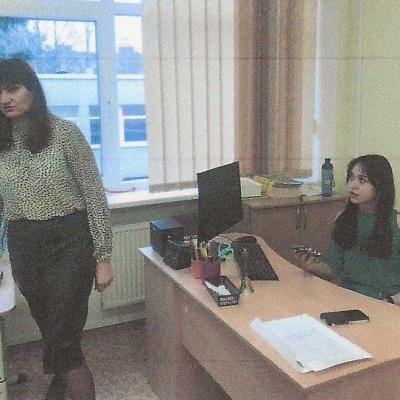
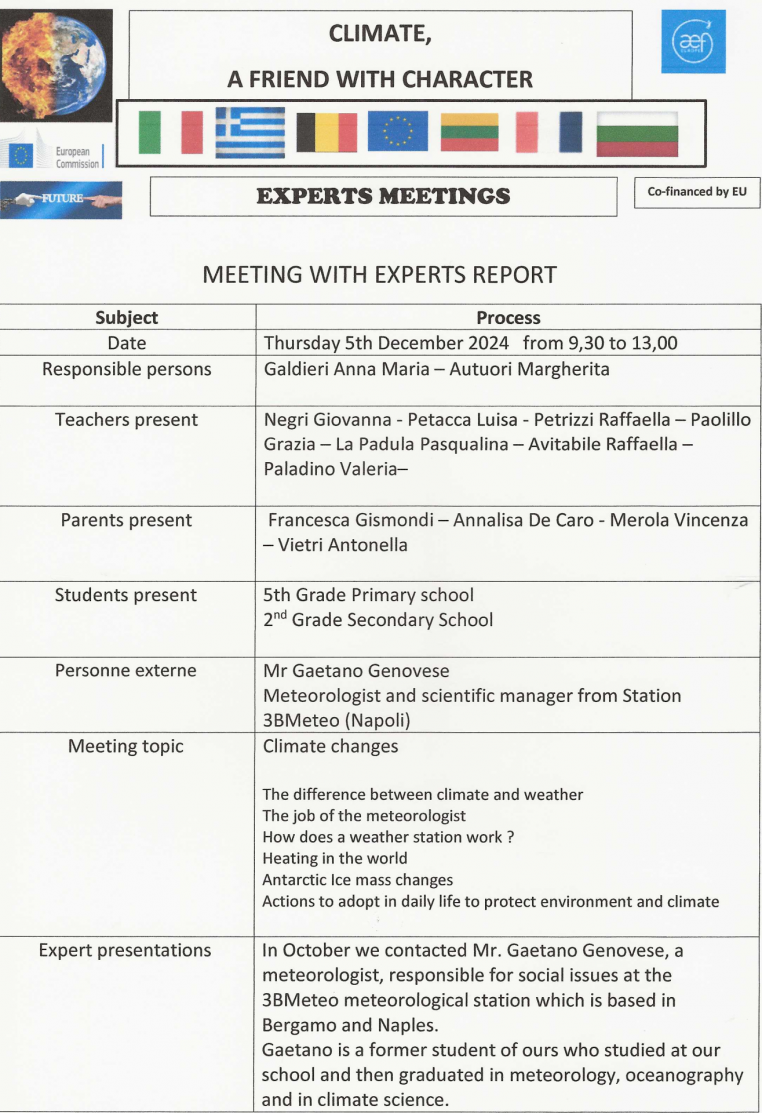
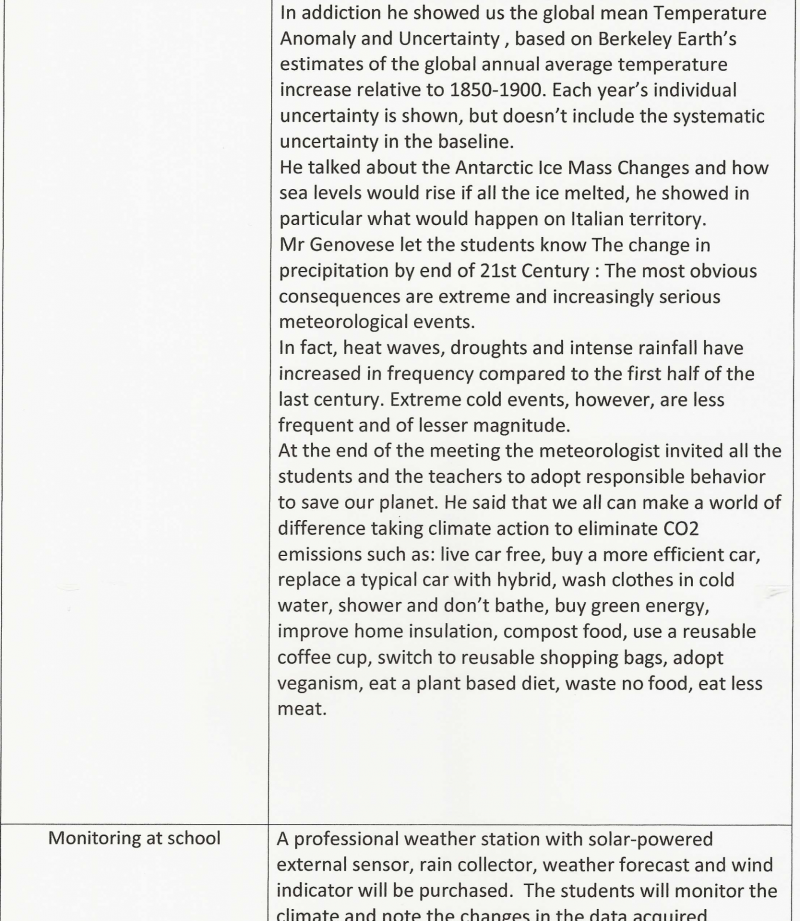
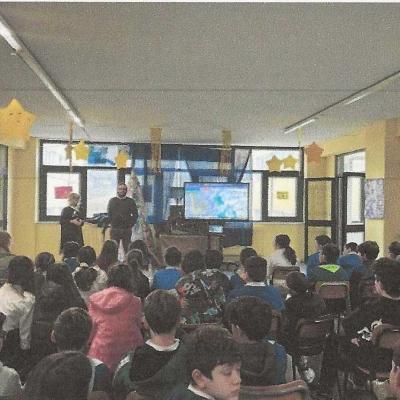
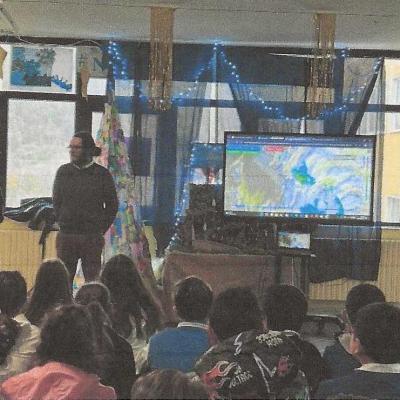
ITALIAN MEETING WITH A METEOROLOGIST
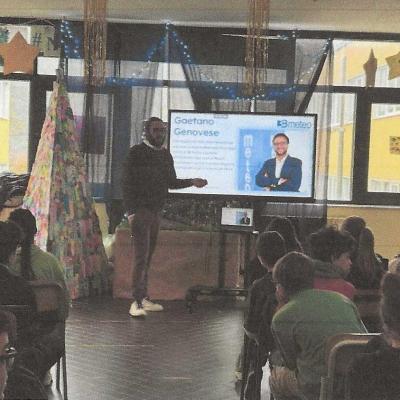
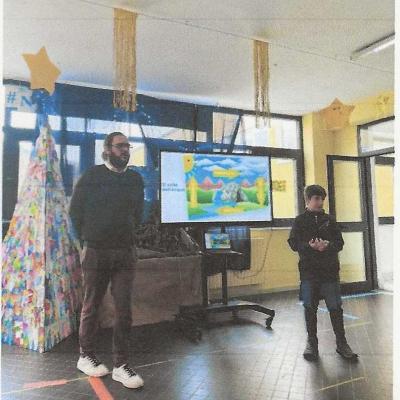
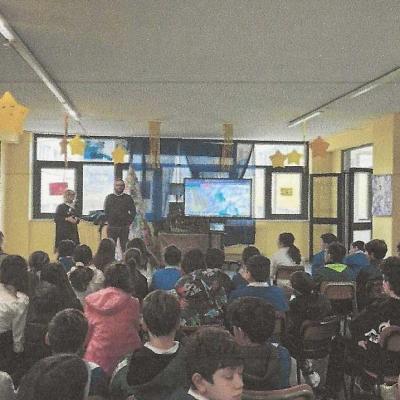
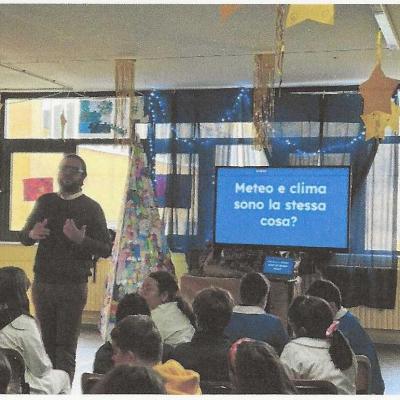
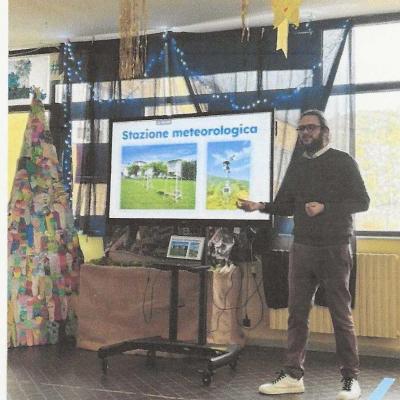
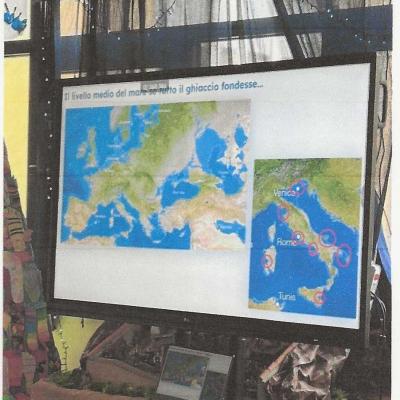
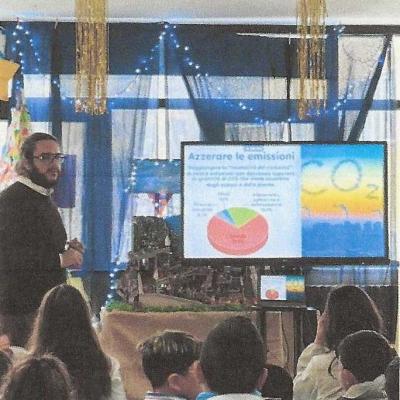
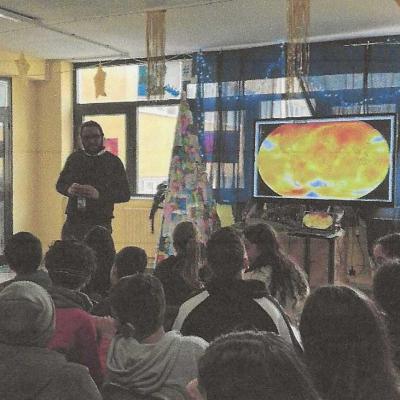
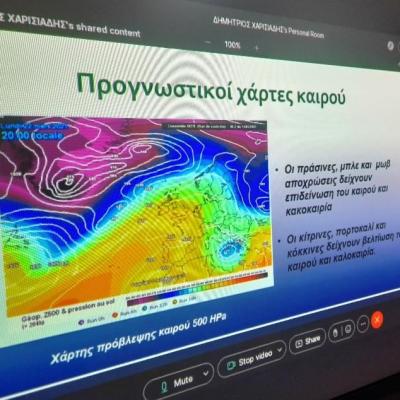
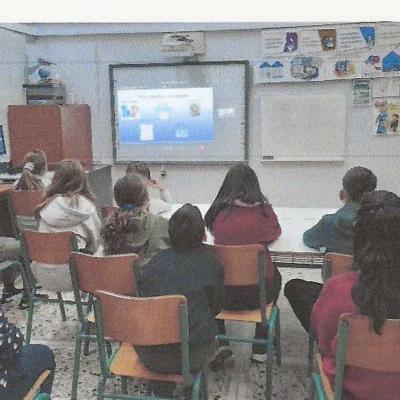
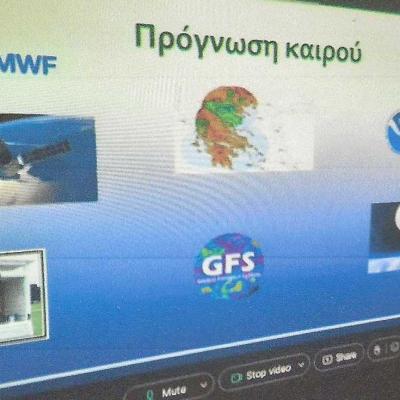
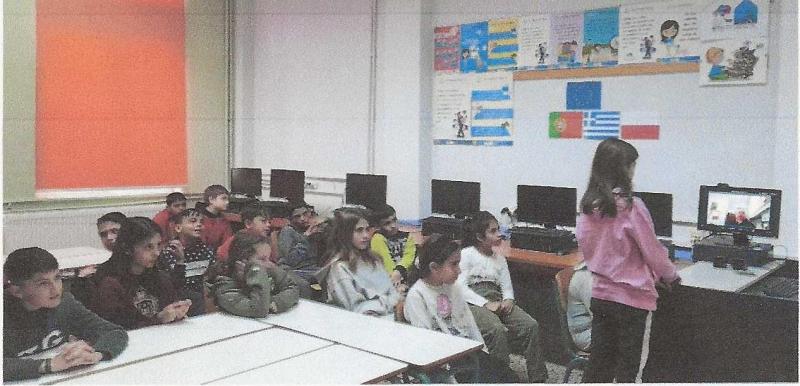
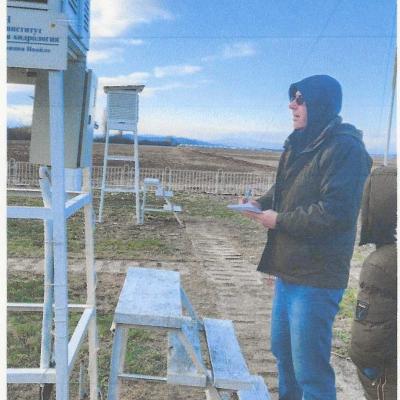
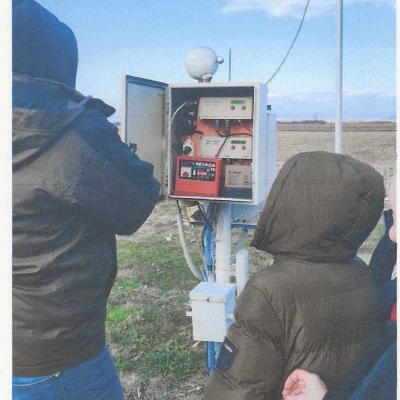
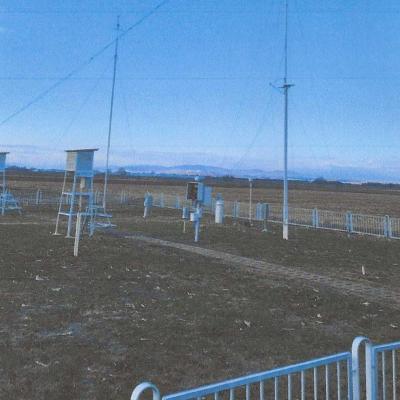
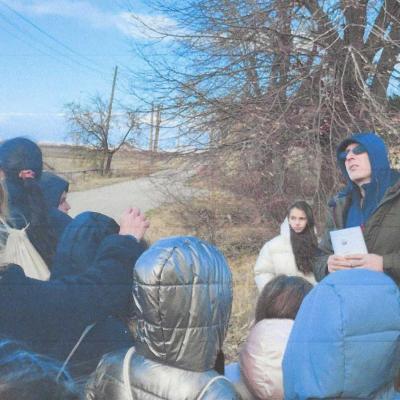
METEOROLOGIST WITH BULGARIAN PUPILS
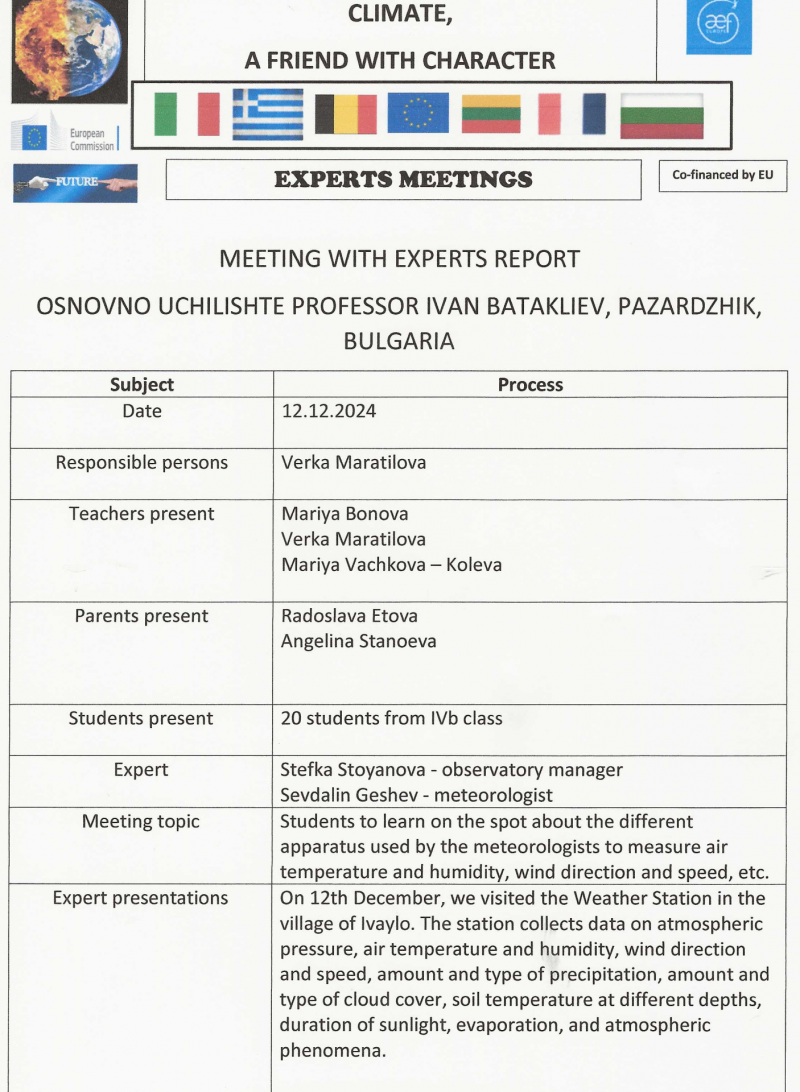
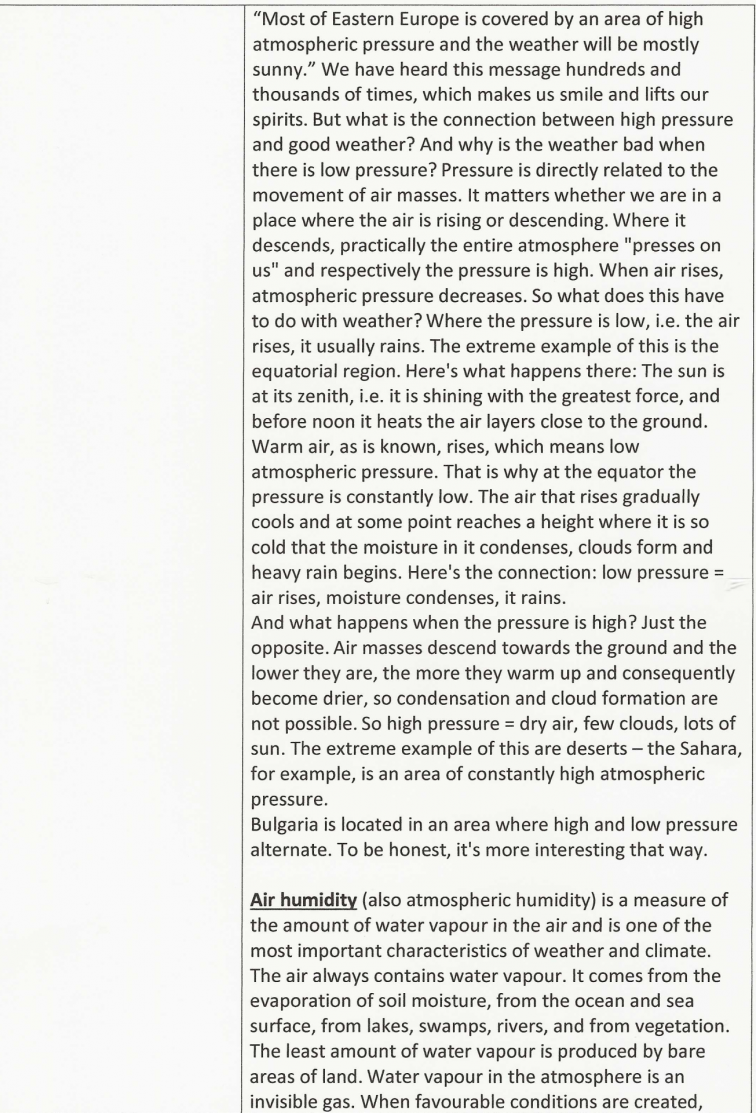
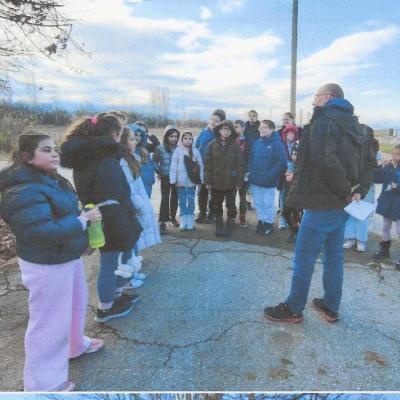
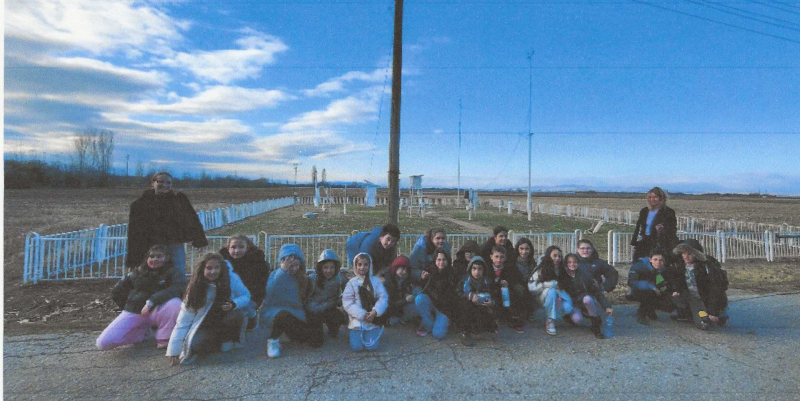
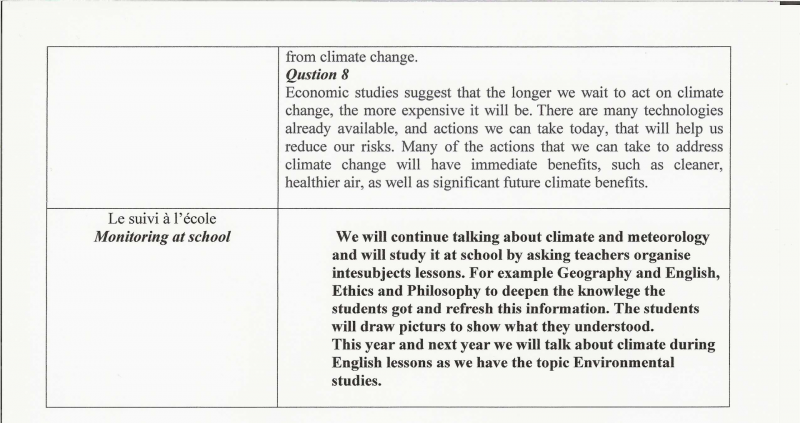
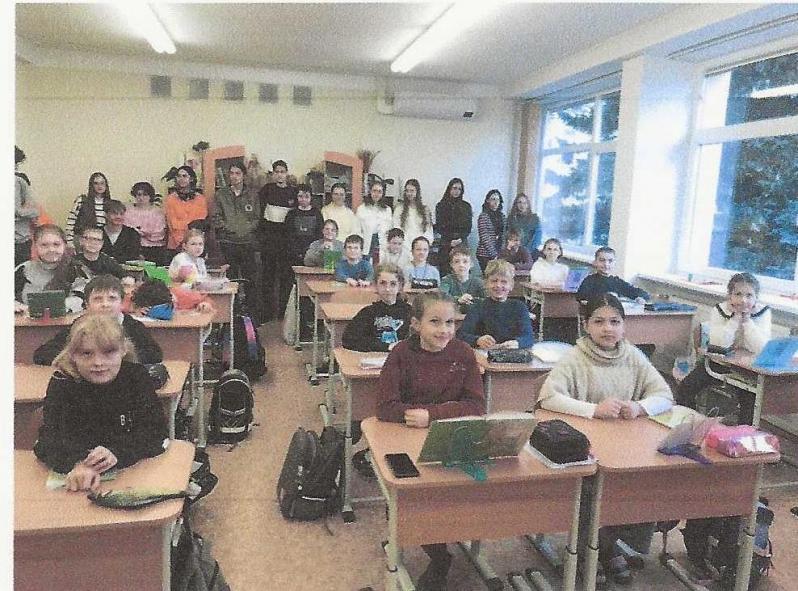
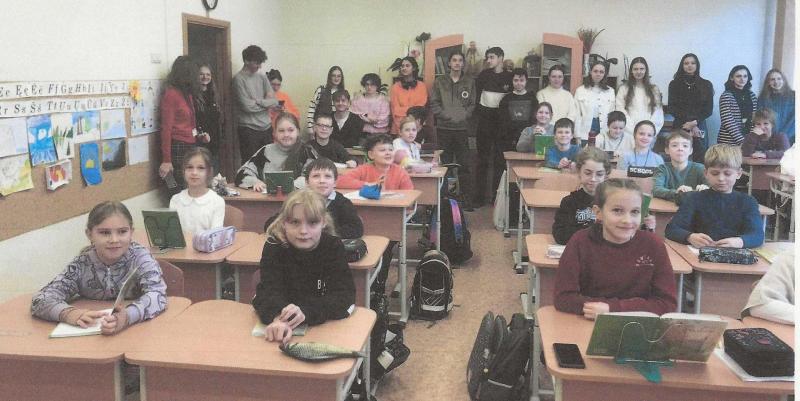
AN EXPERT OF METEOROLOGY IN BELGIUM
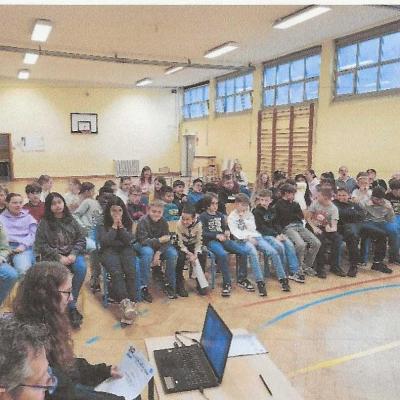
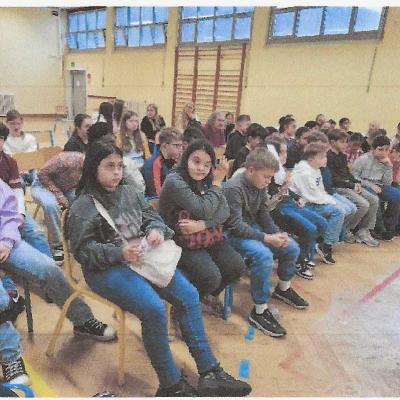
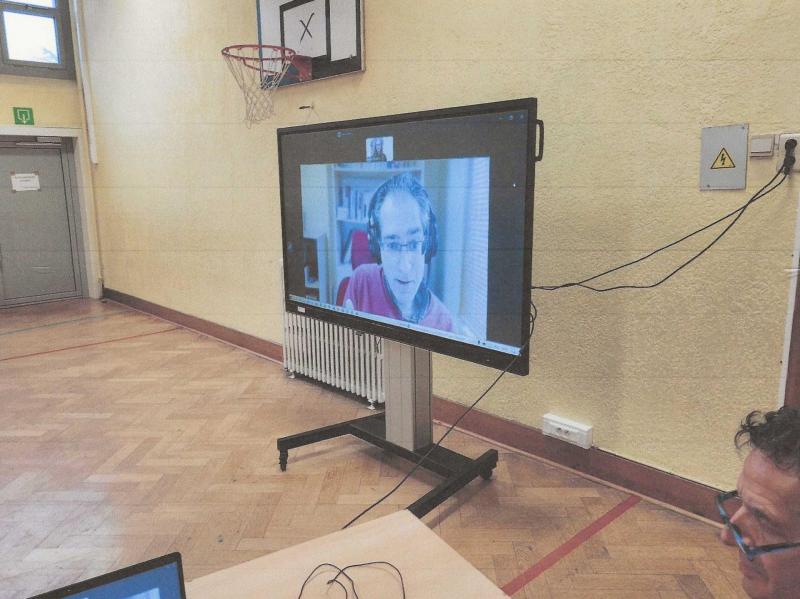
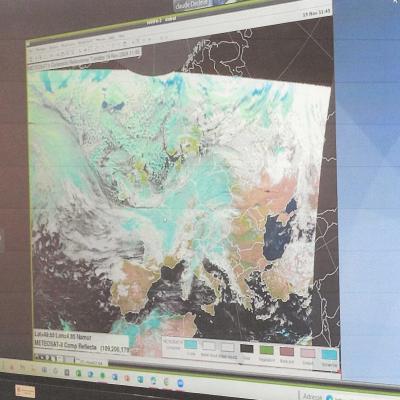
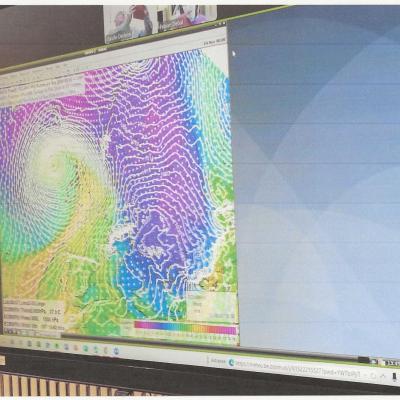
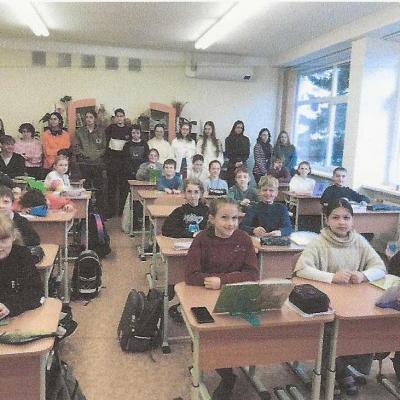
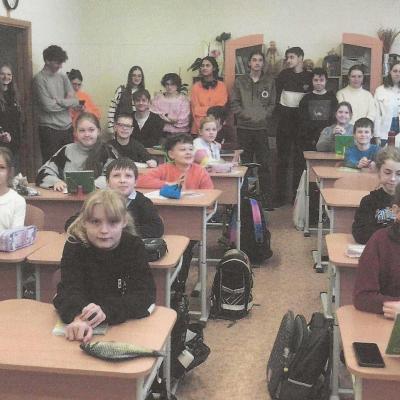
MEETING WITH AN EXPERT IN LITUANIA
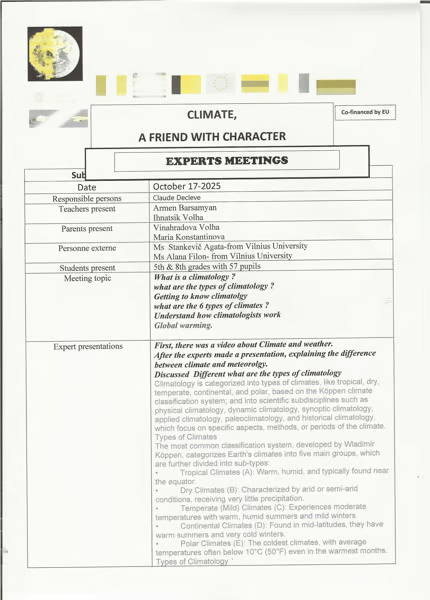
GREECE: MEETING WITH AN EXPERT
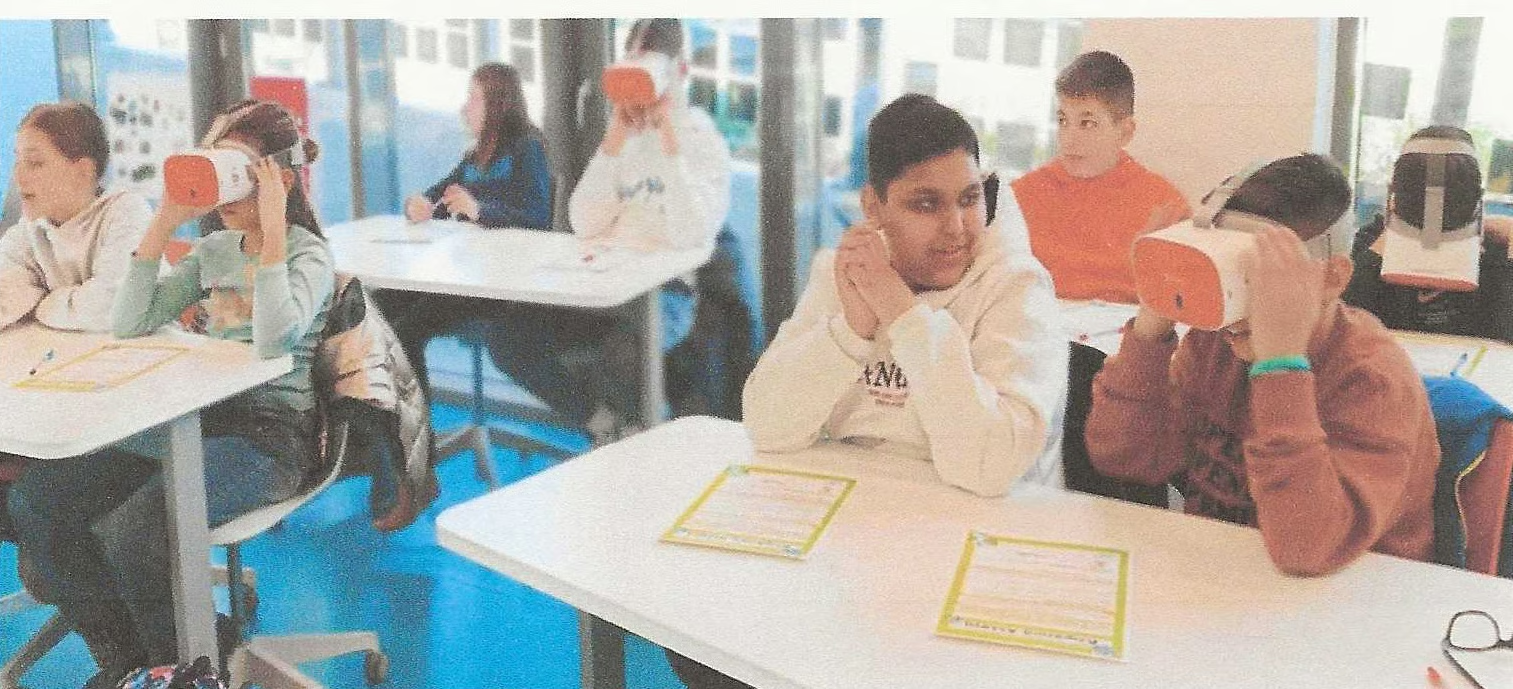
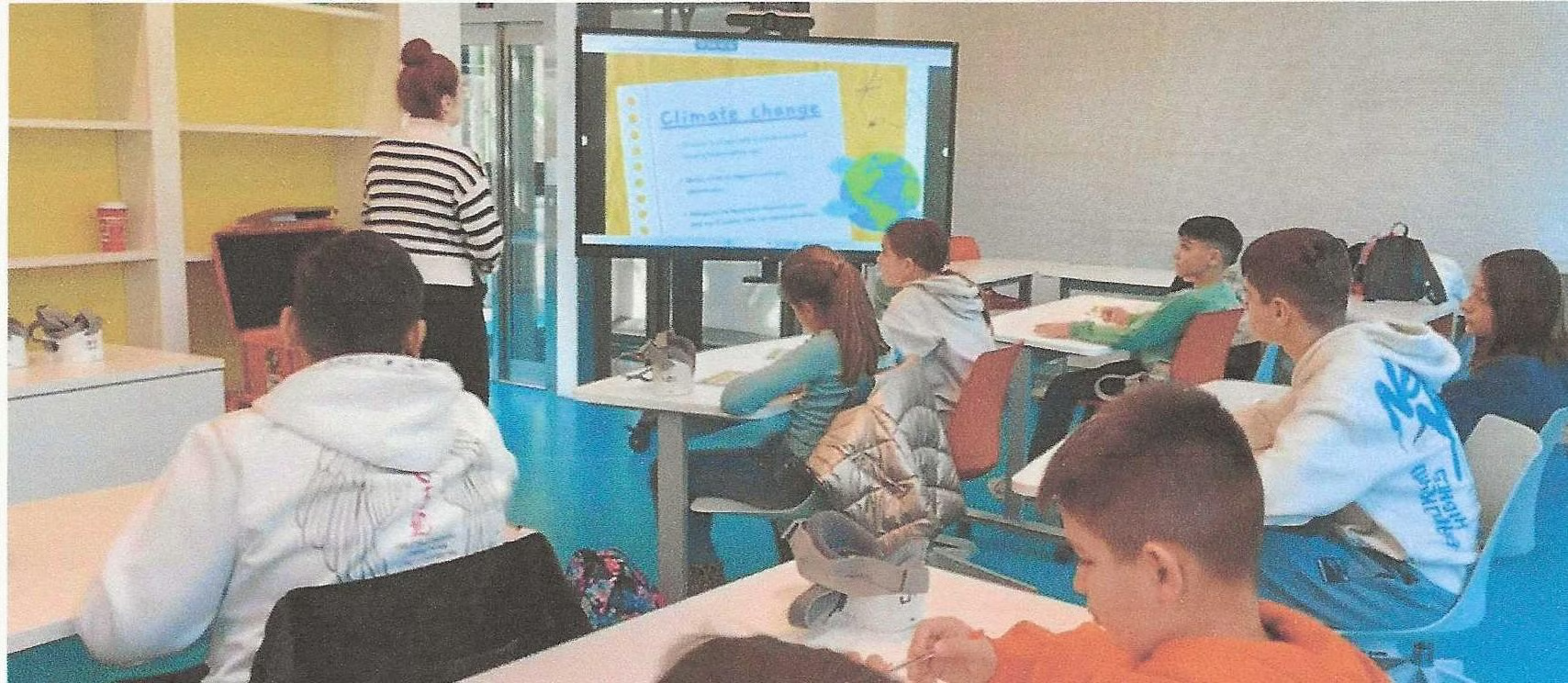
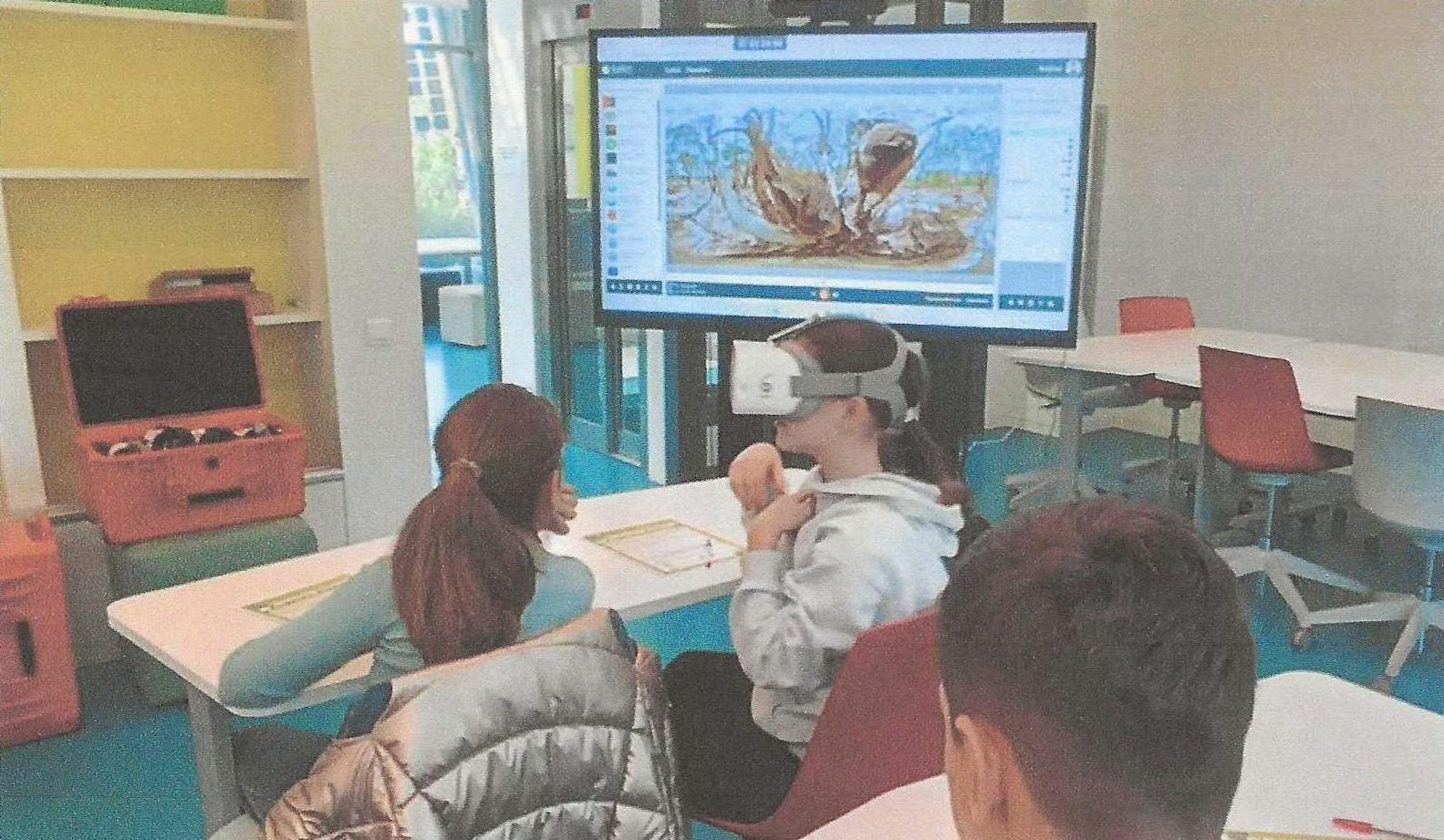
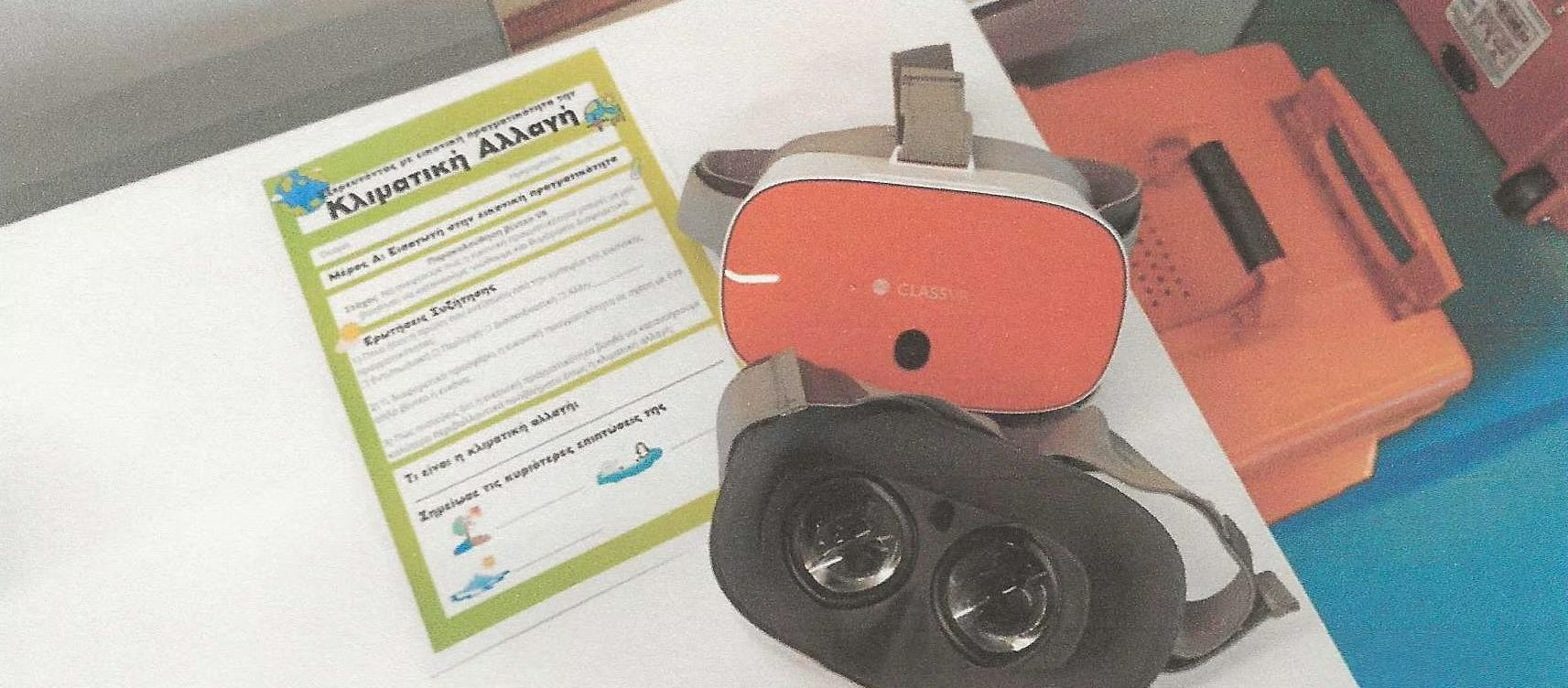
|
Subject |
Process |
|
Date |
15 January 2026
|
|
Responsible persons |
Maria Tachtsoglou – Dimotiko Scholeio Plateos Imathias Greece
|
|
Teachers present |
Elena Balanika, Despoina Vrochidou, Konstantinos Siomos, Anastasia Katsanikou
|
|
Parents present |
Katerina Anastasiadou, Elena Papadopoulou
|
|
Students present |
(12) 1st graders, (13) 2nd graders, (7) 3rd graders
|
|
Meeting topic |
Climate change and experienced difficulties in agriculture Climate Change is Here: A Visit from Our Community Leader
|
|
Expert presentations |
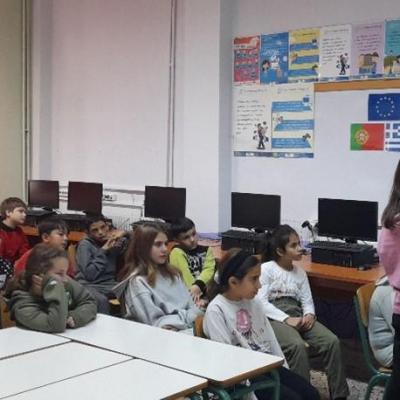
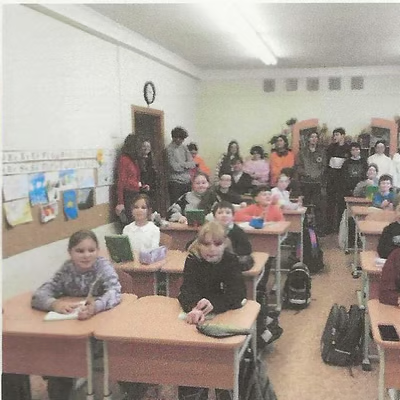
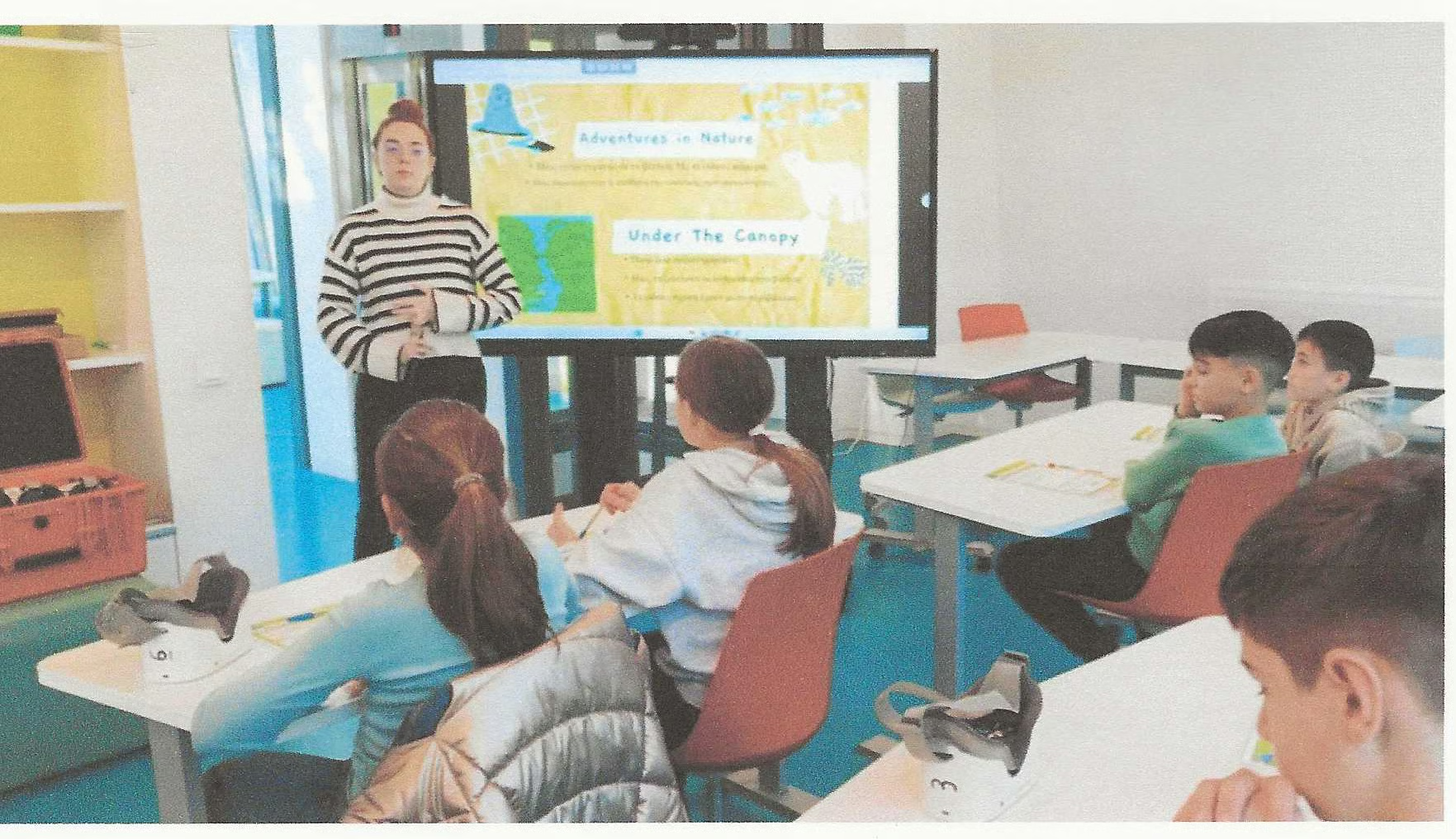
As part of our school's participation in a European Erasmus educational project focused on climate change awareness, we organized a very special and meaningful activity for our students. The goal was simple but powerful: to help young learners understand that climate change is not a distant, abstract concept — it is something that directly affects their families, their village, and the food on their tables. To bring this message to life, we invited a truly exceptional guest: the Leader of our local community, Mrs Martha Pantopoulou, a trained agronomist and practicing farmer who knows our region better than anyone else. She cultivates cotton fields, small vineyards for wine production, and peach orchards. Beyond her own farm, she is deeply connected to the broader agricultural community — she knows every farmer in the area personally and volunteers her time and expertise to support young farmers through agricultural cooperatives. She is also officially responsible for recording and documenting damages caused by extreme weather events in our region, which made her perspective both personal and professionally informed. Before her visit, we prepared the students by discussing what climate change means and asking them whether they had ever heard their parents or grandparents talk about unusual weather. Many hands went up immediately — a sign that this topic was already present in their daily lives, even if they hadn't yet connected it to the bigger picture. When our guest arrived, the classroom atmosphere was warm and engaged. She spoke directly to the children, using simple language and real examples from fields they could see from their own windows. She explained that in recent years, the weather in our area has changed in ways that are causing serious problems for farmers and their families. She described how unexpected and prolonged rainfall has devastated crops that need dry conditions to thrive. Last year's cotton harvest was a striking example — the fields became waterlogged and the cotton rotted before it could even be picked. Families who depend on that crop for their income faced a very difficult season. Similarly, unusually high temperatures appearing in months when they were never recorded before have disrupted the natural growth cycles of fruit trees and vines, confusing plants that rely on seasonal patterns to flower and bear fruit. Perhaps the most heartbreaking story she shared was about the peach and apple orchards. A sudden and dramatic drop in temperature arrived just when the trees were blossoming — a moment that is critical for fruit production. The frost destroyed the blossoms, and as a result, neither the peach trees nor the apple trees produced fruit last year. For families whose livelihoods depend on these harvests, an entire year's income was simply gone. To make matters worse, a severe hailstorm struck during cherry season, destroying what had promised to be a good harvest in just a matter of minutes. What struck the children most was a point our guest made very clearly: even when crops fail completely, the costs do not disappear. Farmers still pay for seeds, irrigation, fertilizers, machinery, and labor — all the expenses of a full growing season — but with nothing to sell at the end of it. The financial pressure on agricultural families has become immense, and it is growing year by year. The children listened with wide eyes. Several of them recognized these stories from their own homes. Some shared that their parents had said things like "this never used to happen" or "the weather has gone crazy." Our guest gently validated these observations, explaining that what their parents were experiencing was not just bad luck — it was part of a larger, global pattern of climate change that scientists have been documenting for decades. The students asked thoughtful questions: Can we do anything to help? Will it get worse? Why doesn't someone fix it? These questions became the starting point for our next classroom discussions. This activity was a reminder that the most powerful learning happens when it is rooted in real experience. By connecting global environmental challenges to the familiar stories of their own families and neighbors, our students took their first steps toward becoming informed, empathetic, and engaged citizens of both their community and their planet. |
|
The aftermath in the school |
The students will take interviews of the parents and grandparents about weather changes they have noticed over the years in their fields and gardens. This will help children connect personal family memories to the broader reality of climate change, making the learning experience even more meaningful. |
TEASONS OF STRANGE MIGRATION OF INSECTS AND BIRDS DURING THIS YEAR


